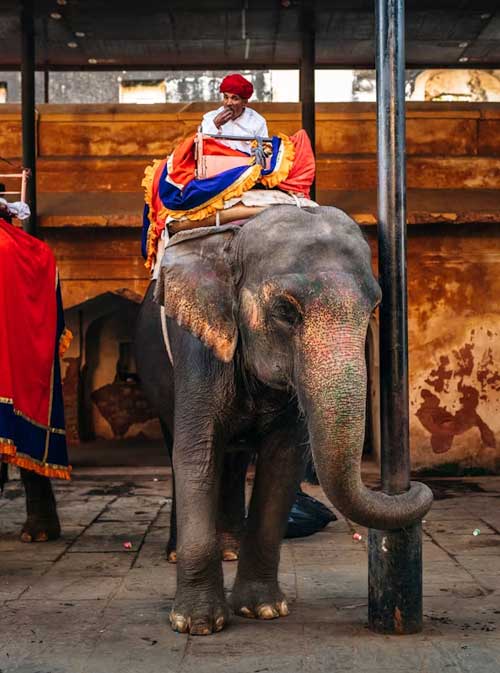
Elephant Conservation is one of the most important wildlife protection initiatives in India, focusing on safeguarding the majestic Asian elephant for future generations. The Asian elephant, scientifically known as Elephas maximus, is an integral part of India’s ecological balance, cultural heritage, and spiritual traditions. Revered for centuries and associated with the Hindu deity Ganesha, elephants symbolize wisdom, strength, and prosperity across the country.
India is home to the largest population of Asian elephants in the world. However, rapid urbanization, deforestation, habitat fragmentation, and human-wildlife conflict have placed these gentle giants under significant threat. Elephant Conservation programs aim to address these challenges through ethical rescue operations, habitat protection, medical care, and community awareness initiatives.
One of the key components of elephant conservation is habitat preservation. Elephants require vast forest corridors to migrate, forage, and thrive. As agricultural lands and infrastructure expand, these natural corridors shrink, leading to increased encounters between elephants and local communities. Conservation organizations work closely with forest departments to restore migration routes, plant native vegetation, and create protected reserves where elephants can roam safely.
Rescue and rehabilitation centers play a vital role in Elephant Conservation. Many elephants have suffered from captivity, neglect, or injury. These centers provide medical treatment, nutritional care, and psychological rehabilitation. Veterinarians and wildlife experts ensure that rescued elephants receive proper healthcare and a stress-free environment. The focus is always on ethical treatment and natural living conditions.
Community involvement is another pillar of sustainable conservation. Local communities living near forest areas are often directly impacted by elephant movement. Conservation programs introduce education campaigns that promote coexistence strategies. Farmers are trained in non-invasive deterrent techniques to reduce crop damage without harming elephants. By involving communities, conservation efforts become collaborative rather than confrontational.
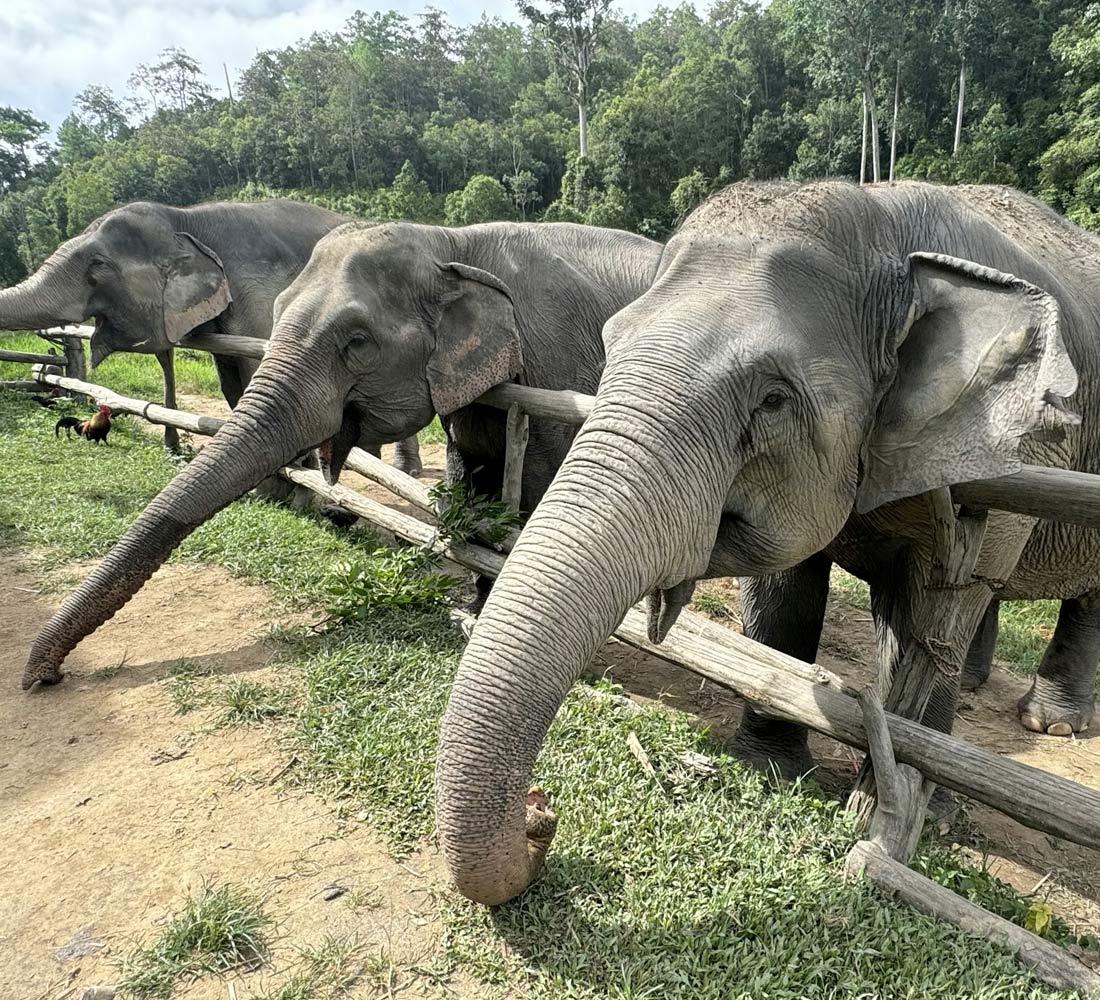
Responsible wildlife tourism has also emerged as a positive contributor to Elephant Conservation. Ethical elephant experiences allow visitors to observe elephants in natural habitats without riding or exploiting them. Activities such as guided forest walks, feeding sessions under supervision, and educational workshops create awareness while generating funds for conservation projects. Sustainable tourism ensures that elephants are treated with respect and dignity.
Medical research and monitoring are equally essential. Conservationists use GPS tracking collars and field research to study elephant migration patterns and health indicators. Data collected helps authorities develop informed policies for wildlife management. Regular health check-ups, vaccination programs, and emergency response units ensure that elephants receive timely assistance when needed.
India has implemented several government initiatives to protect elephants, including dedicated wildlife reserves and legal protections under national wildlife laws. Anti-poaching measures are strictly enforced to prevent illegal ivory trade and hunting. These combined efforts aim to secure a stable and thriving elephant population.
Beyond ecological importance, elephants contribute significantly to biodiversity. As mega-herbivores, they shape forest ecosystems by dispersing seeds and creating water holes used by other species. Protecting elephants means protecting entire ecosystems that depend on them.
Educational outreach programs further strengthen conservation impact. Schools, universities, and environmental groups participate in awareness drives highlighting the importance of wildlife preservation. Public campaigns emphasize compassion, ethical treatment, and environmental responsibility.
Elephant Conservation is not just about saving a species; it is about maintaining harmony between humans and nature. It represents a commitment to protecting biodiversity while respecting cultural traditions. When visitors support ethical conservation initiatives, they directly contribute to veterinary care, habitat restoration, and community development programs.
In conclusion, Elephant Conservation stands as a beacon of hope for one of the planet’s most intelligent and emotionally complex animals. Through habitat preservation, rescue efforts, responsible tourism, and community collaboration, India continues to lead meaningful initiatives in protecting the Asian elephant. By supporting conservation programs, we help ensure that these magnificent creatures continue to roam forests freely and safely for generations to come.